01 · Foundation
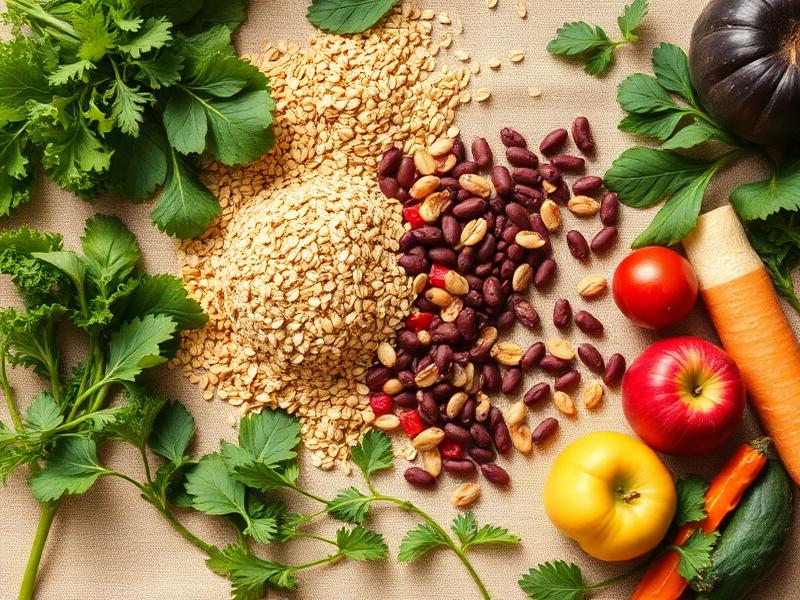
Eat Fiber-Rich Whole Foods
Vegetables, fruit, oats, beans, and whole grains bind cholesterol and keep bile moving so it doesn't sludge.
Most meals
The menopause-aware playbook for gallbladder trouble — a self-check quiz, the foods that help, daily habits, supplements, and the medical options worth exploring. Built by Dr. Tammy for the women whose attacks keep getting called just indigestion.
Instant PDF · No spam · Unsubscribe anytime
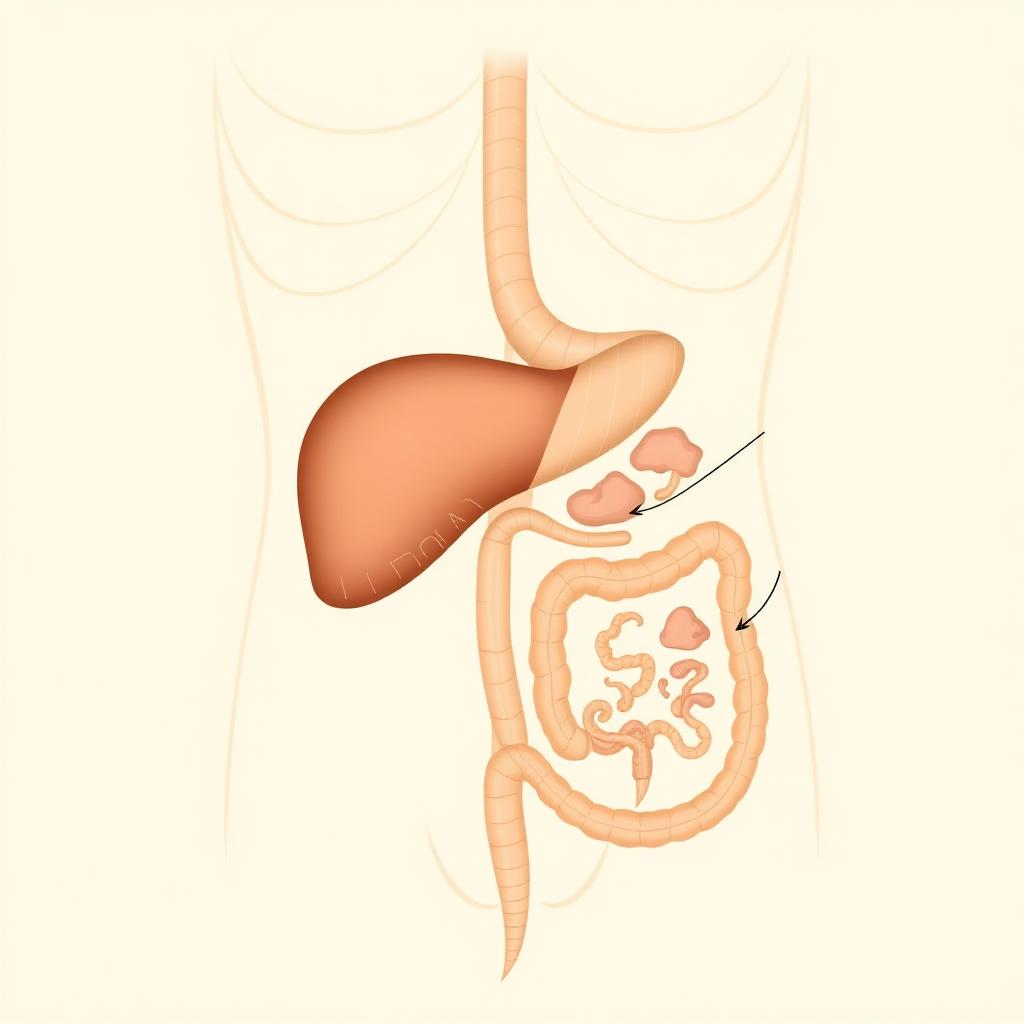

"Your bile didn't just turn to sludge. Your hormones changed the recipe."
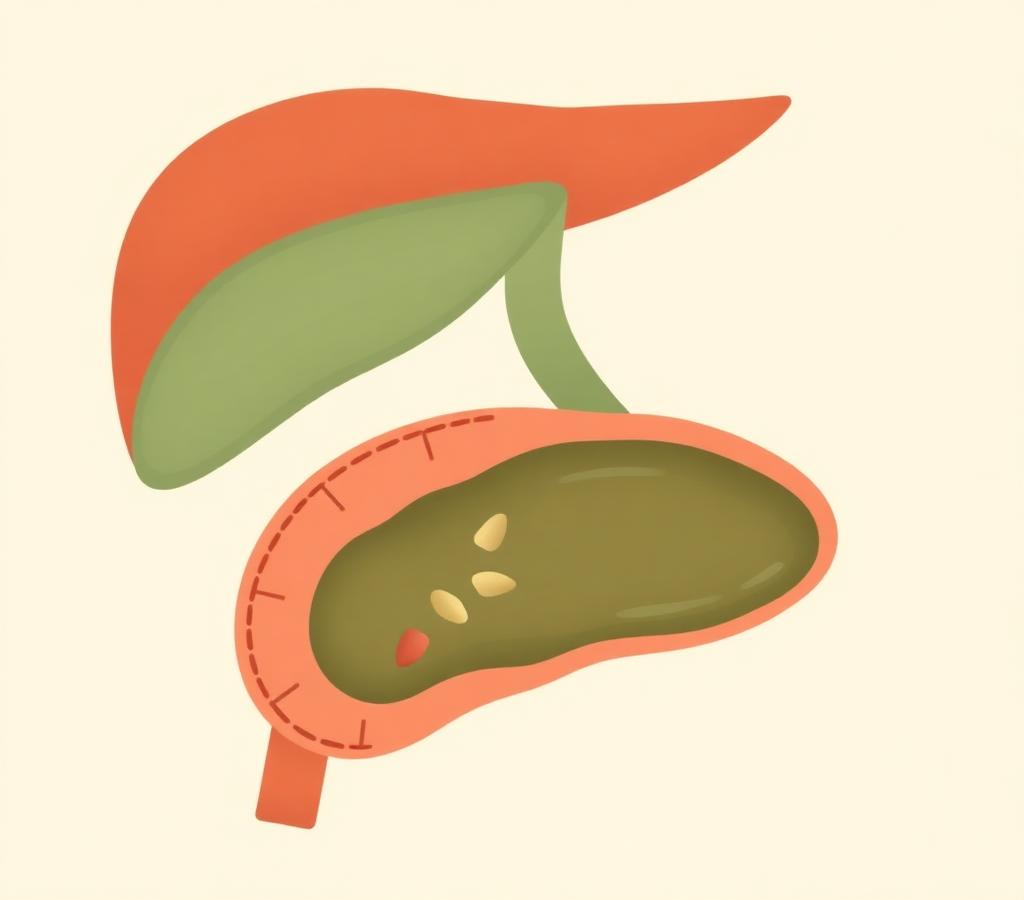
Your gallbladder stores bile and squeezes it into the gut to digest fat. Estrogen raises the cholesterol your liver sends into that bile, while progesterone slows how briskly the gallbladder contracts. In perimenopause and menopause, that combination leaves bile thicker, more cholesterol-rich, and slower to flush — so it sludges and forms stones, which is why women develop gallstones two to three times more often than men.
The classic risk picture — the "four F's" of female, forty, fertile, and family history — is really a hormone story. Estrogen and progesterone set the chemistry of bile, which is why pregnancy, the pill, estrogen therapy, and the menopause transition all cluster with gallbladder trouble. It's rarely "just indigestion."
Estrogen raises the cholesterol your liver sends into bile — the raw material that gallstones are built from.
Progesterone relaxes smooth muscle, so the gallbladder squeezes less and bile pools instead of flushing out.
Stagnant, concentrated bile turns to sludge — the precursor to gallstones and that achy upper-right fullness.
A stone caught in a duct triggers painful attacks and inflammation (cholecystitis) that can become an emergency.
The first two are red-flag questions — a gallbladder attack can become an emergency. Answer honestly. Not a diagnosis.
None of these dissolve existing stones. They keep bile thin and moving so new ones are far less likely to form — and so the gallbladder you have stays calm. Start with the food changes; they do the heaviest lifting.
Vegetables, fruit, oats, beans, and whole grains bind cholesterol and keep bile moving so it doesn't sludge.
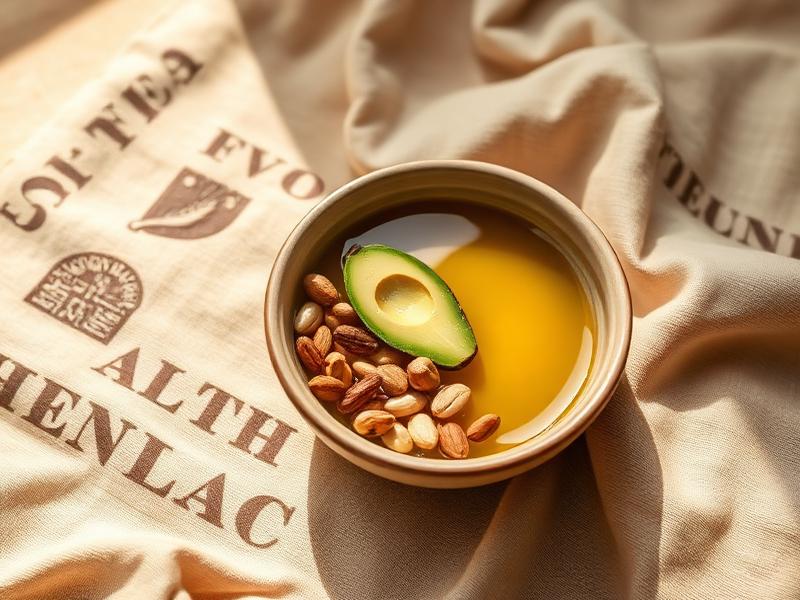
Olive oil, avocado, nuts, and seeds keep the gallbladder gently contracting. Skip fried and trans fats that set off attacks.
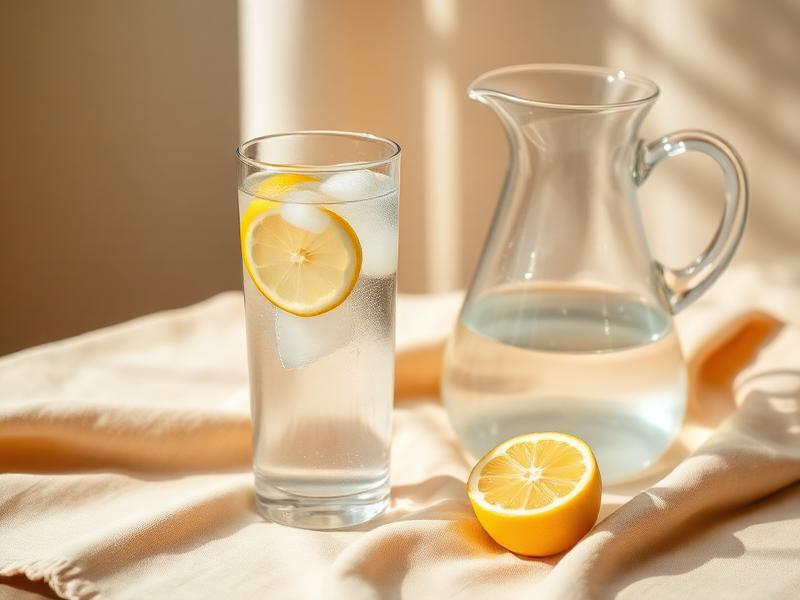
Water keeps bile fluid instead of thick and sludgy. Sip steadily rather than chugging once a day.
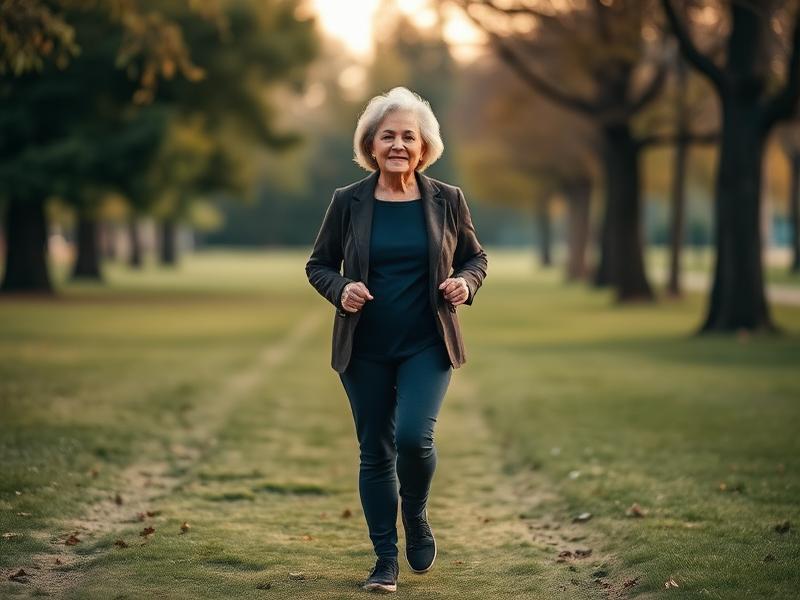
A daily 20–30 minute walk improves bile flow and is linked to a lower risk of gallstones.
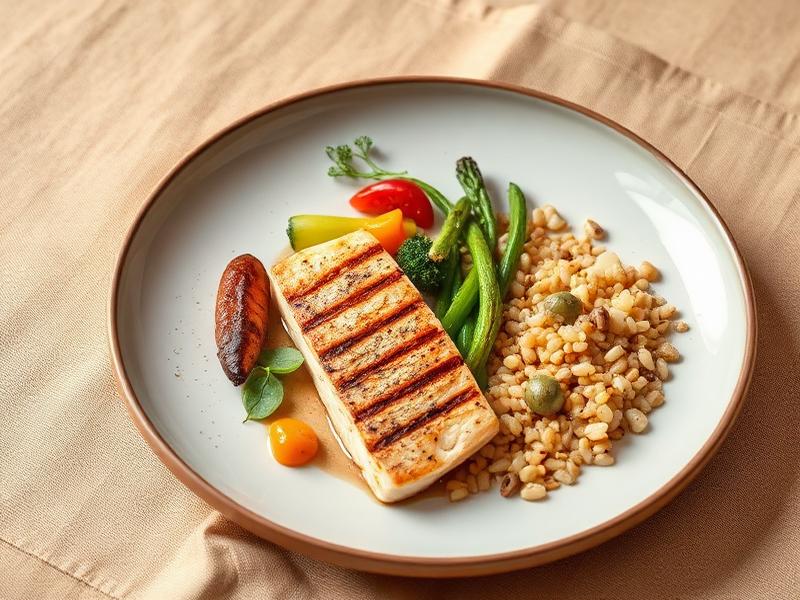
Don't skip meals or crash-diet. Regular eating triggers steady gallbladder emptying so bile never stagnates.
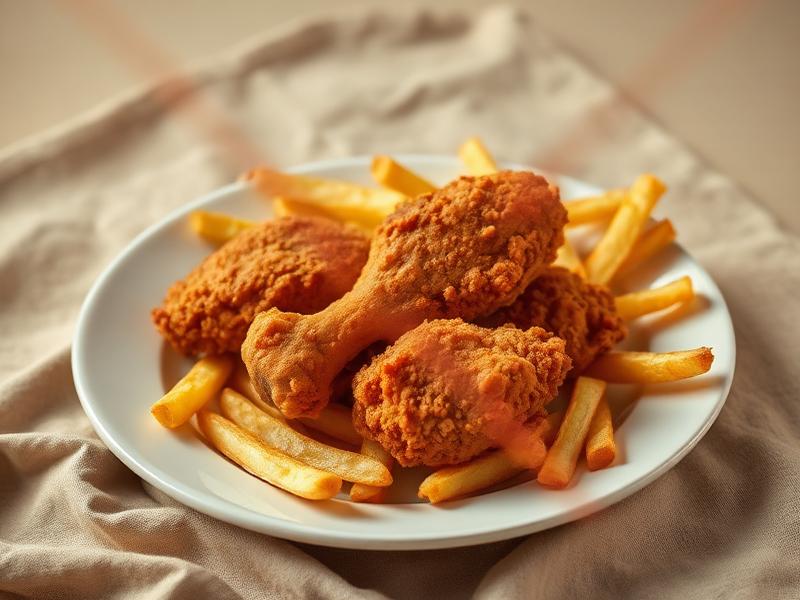
Greasy, sugary, ultra-processed food is the single biggest trigger of attacks. Cut back, especially late at night.
None of these replace medical care for stones. They support the liver, bile, and fat digestion that hormones used to manage. Run any new supplement past your doctor — especially with gallstones, blood thinners, or other medications.
Professional-quality brands at member pricing through our Fullscript portal.
Open supplement portalSupports the liver and healthy bile production.
Aids fat digestion, especially with low bile or no gallbladder.
Helps break down dietary fat and ease post-meal bloating.
Conjugates bile acids and helps keep bile fluid.
Helps keep cholesterol soluble in bile.
Linked to a lower risk of gallstones.
Helps convert cholesterol into bile acids.
Lowers triglycerides and calms inflammation.
Vegetables, fruit, oats, beans, and whole grains keep bile moving and bind cholesterol before it can crystallize.
Fish, poultry, olive oil, and avocado in modest amounts keep the gallbladder gently contracting and emptying.
The classic trigger. A big hit of fat to a sluggish gallbladder is what sets off most attacks.
All push more cholesterol into bile and raise your stone risk over time.
Ordered roughly by where most people start. Diet, hormones, and weight come first — but don't wait out severe or repeated attacks. Recurrent gallbladder pain usually ends in surgery, and timing it on your terms beats an emergency.
Lower fat, higher fiber, steady meals, and daily movement. The first lever for nearly everyone with mild symptoms.
If you're on estrogen therapy, review the dose and delivery route with your clinician — it directly affects bile.
Lose weight slowly. Crash diets and rapid loss are among the strongest triggers for forming new stones.
First-line imaging to confirm gallstones or sludge. Quick, non-invasive, and highly accurate.
Liver function tests flag a blocked duct, infection, or inflammation that needs faster action.
Short courses for flares under medical guidance. Not a long-term fix on its own.
A bile acid medication that can slowly dissolve small cholesterol stones in selected cases.
Endoscopic removal of stones stuck in the bile duct — relieves blockage without open surgery.
Laparoscopic gallbladder removal. The definitive fix for recurrent attacks; most people digest fine afterward.
Shockwave fragmentation of stones in select, carefully chosen cases — far less common than surgery.
Warmth over the upper-right abdomen can ease discomfort between meals. Supportive, not curative.
May help with digestive discomfort and nausea alongside — not instead of — medical care.
If you'd like support with menopause or perimenopause hormone care and how it affects your digestion, book a free call with our team.

Point your phone camera at the code to open our interactive Gallbladder Cleanse flip book — a guided, page-by-page walk through the full cleanse, designed to follow along from your screen.
Educational only. Not a substitute for medical care — talk to your clinician before starting any cleanse, especially with known gallstones.
Instant PDF · No spam · Unsubscribe anytime
Prefer to grab it now? Download the PDF directly →